

Understanding Hypoglycemia, Dumping Syndrome, and How to Take Back Control
You had bariatric surgery to improve your health, lose weight, and reclaim your life. But suddenly you feel shaky, sweaty, dizzy, or overwhelmingly hungry. Your heart races; you eat something and feel better until it happens again. Could your blood sugar be dropping too low after bariatric surgery? Yes. Two conditions that can contribute are dumping syndrome and post-bariatric hypoglycemia (PBH), sometimes called reactive hypoglycemia or late dumping syndrome. They overlap but are not identical. Understanding the difference makes treatment more effective.
Hypoglycemia means low blood glucose. After bariatric surgery, altered nutrient delivery and intestinal hormones can stimulate an exaggerated insulin response. Glucose may fall too low, producing symptoms from shakiness and hunger to confusion, loss of consciousness, or seizures.
| Glucose threshold | Meaning |
| Below 70 mg/dL* | Hypoglycemia alert level; evaluate and treat as appropriate |
| Below 54 mg/dL | Clinically significant hypoglycemia; requires prompt attention |
Diagnosis of PBH generally requires Whipple’s triad:
(1) symptoms consistent with hypoglycemia
(2) appropriately confirmed low glucose during symptoms (typically below 54 mg/dL for PBH)
(3) symptom improvement when glucose normalizes.
*Symptoms with glucose above 70 mg/dL can occur during a rapid fall but do not necessarily prove biochemical hypoglycemia.
Usually begins 10–30 minutes after a meal, sometimes within the first hour. Rapid entry of concentrated nutrients into the small intestine draws in fluid and triggers gastrointestinal and cardiovascular responses. Symptoms include cramps, bloating, nausea, diarrhea, flushing, palpitations, sweating, weakness, and dizziness. Low blood glucose is not required.
Usually develops 1–3 hours after eating, sometimes up to four hours. Rapidly absorbed carbohydrate can produce a glucose spike followed by an exaggerated insulin response and low glucose. Symptoms include tremor, sweating, hunger, anxiety, blurred vision, weakness, and confusion.
| Feature | Early dumping | Late dumping / PBH |
| Timing | 10–60 minutes | 1–3 hours (sometimes 4) |
| Mechanism | Fluid shifts and gut signaling | Excess insulin and glucose decline |
| GI symptoms | Common | Less prominent |
| Low glucose | Not necessary | Characteristic when PBH confirmed |
| Initial approach | Portions, meal composition, fluid timing | Carbohydrate management, protein, fiber, monitoring |
Before surgery, the stomach gradually releases food into the intestine. After Roux-en-Y gastric bypass, food bypasses much of the stomach and proximal intestine, so nutrients can reach distal intestinal segments quickly. Sleeve gastrectomy also changes gastric emptying without rerouting the intestine. Both can alter gut hormones and glucose metabolism, though PBH is more strongly associated with gastric bypass.
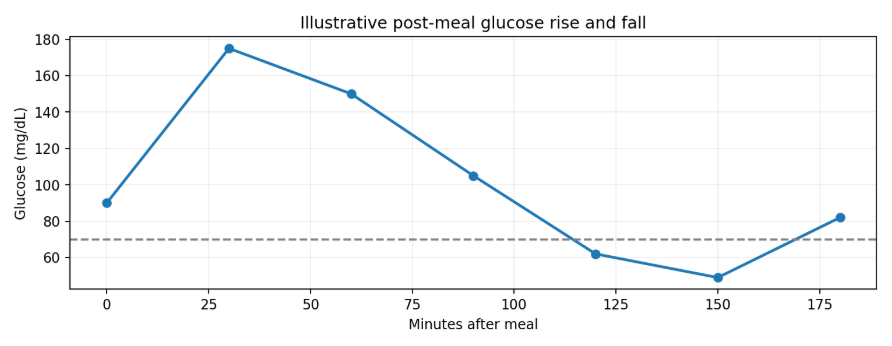
The sequence:
(1) rapidly absorbed carbohydrate enters the intestine
(2) blood glucose rises quickly
(3) intestinal hormones, especially GLP-1, rise
(4) the pancreas releases insulin
(5) glucose falls
(6) counterregulatory hormones produce sweating, tremor, palpitations, and hunger.
Severe glucose deprivation of the brain can cause confusion, speech problems, seizures, or loss of consciousness.
GLP-1 is an incretin hormone that enhances glucose-dependent insulin secretion and helps regulate appetite and digestion. Bariatric surgery can markedly increase the meal-related GLP-1 response, especially after bypass. This helps explain improved diabetes control but can contribute to excessive insulin secretion in susceptible patients. The possible role of GLP-1 medications is more complex and discussed below.
Repeated episodes can cause hypoglycemia unawareness: the warning signs diminish and severe impairment can occur without preceding shakiness or sweating. Patients with recurrent or severe episodes should discuss monitoring, emergency glucagon, and driving safety.
PBH often develops months to years after surgery, frequently more than a year later. Early dumping often appears sooner. Fasting, overnight, immediate postoperative, or meal-independent hypoglycemia is atypical for PBH and requires evaluation for other causes, including medications, malnutrition, adrenal disorders, and rarely an insulin-producing tumor.
Medical nutrition therapy is the foundation of management. The goal is not zero carbohydrate: it is to reduce abrupt glucose peaks and subsequent insulin-driven declines.
Consider three small meals and one to three planned snacks, often about every three to four hours while awake. Avoid large carbohydrate-heavy meals, but also avoid constant grazing.
Many protocols begin with up to about 30 grams of carbohydrate per meal and smaller snacks; some patients need 15–30 grams per meal or another individualized target. A bariatric dietitian can tailor this.
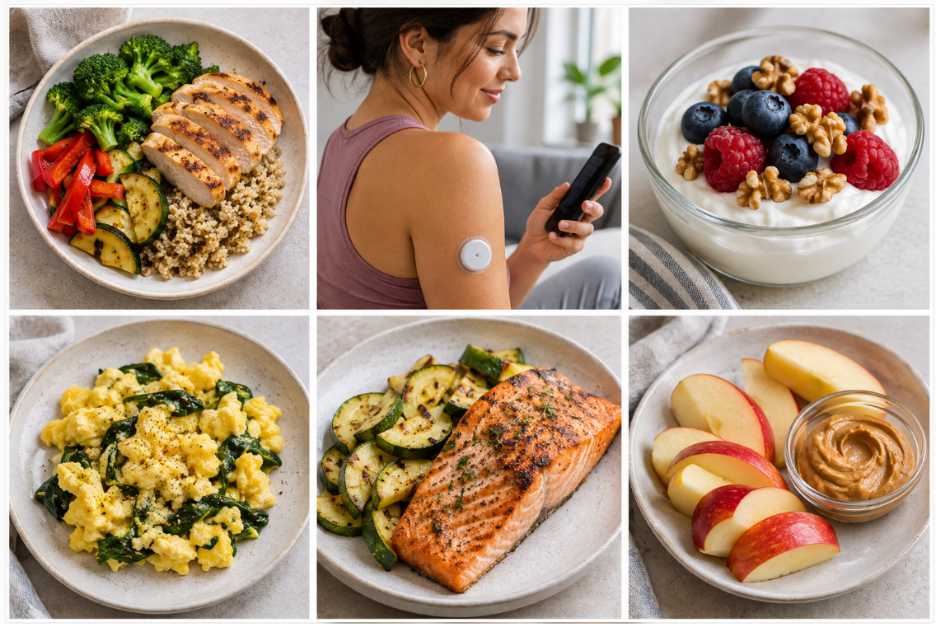
Whole-grain toast with egg, plain Greek yogurt with berries and nuts, or chicken with vegetables and measured quinoa generally provides a more gradual glucose response than refined carbohydrates eaten alone.
Soda, juice, sweet tea, sweetened coffee, sports drinks, and sugary smoothies can rapidly deliver glucose. Check the carbohydrate content of protein shakes and beverages.
Try beans, lentils, steel-cut oats, berries, non-starchy vegetables, and modest portions of intact grains. Portion size still matters.
For dumping symptoms, avoid drinking with solid meals and consider waiting about 30 minutes afterward, while meeting fluid goals between meals. Evidence specifically for PBH is less certain.
Take small bites, chew carefully, and allow about 20–30 minutes to eat. This helps portion awareness and gastrointestinal comfort.
Alcohol can impair hepatic glucose release; exercise changes glucose utilization. Discuss pre-exercise checks and activity timing if symptoms recur.

Scrambled egg with spinach, cottage cheese, and optional whole-grain toast.

Plain Greek yogurt with blueberries and walnuts.
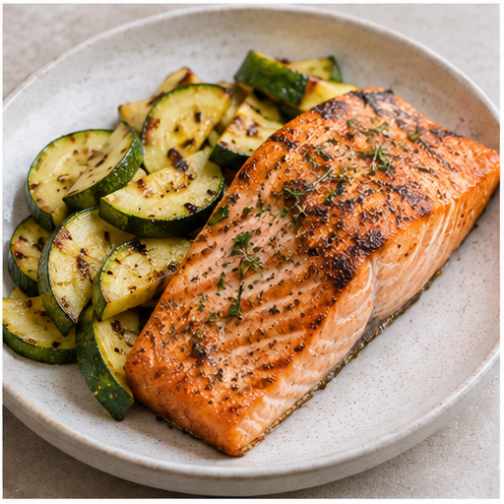
Grilled salmon and zucchini
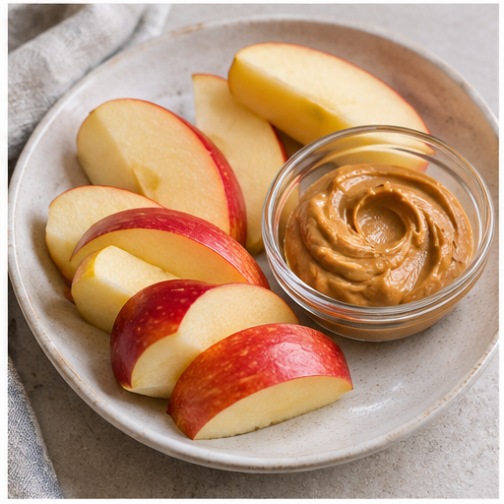
Apple slices with peanut butter.
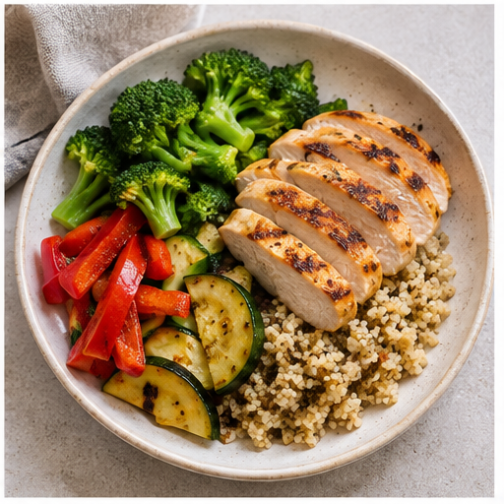
Grilled chicken, vegetables, and a small portion of quinoa.
These are illustrative meals, not a universal prescription. Portions, protein goals, medical conditions, and nutritional needs require individualization.
Patients with PBH may need a more tailored approach than the conventional 15-15 rule because excessive simple sugar can trigger another insulin surge. Specialty guidance often begins with approximately 10–15 grams of fast-acting glucose, followed by reassessment.
IMPORTANT: When taking acarbose, use glucose/dextrose tablets or gel rather than table sugar or sucrose-based candy. If a person is unconscious, seizing, or cannot swallow, give nothing by mouth: call 911 and use prescribed emergency glucagon if available.
Record meal times, ingredients, estimated carbohydrates, activity, symptoms, glucose during symptoms, treatment, and recovery. Patterns may reveal that a sweetened coffee causes a spike followed by a low two hours later, whereas a balanced meal does not.
| Time | Food or event | Glucose | Symptoms |
| 8:00 AM | Sweetened coffee and toast | 92 before meal | None |
| 8:45 AM | After breakfast | 178 | None |
| 10:00 AM | Two hours after meal | 58 | Shaky, sweaty |
| 10:15 AM | After treatment | 85 | Improving |
| 12:30 PM | Chicken, vegetables, beans | 91 before meal | None |
| 2:30 PM | Two hours after lunch | 94 | None |
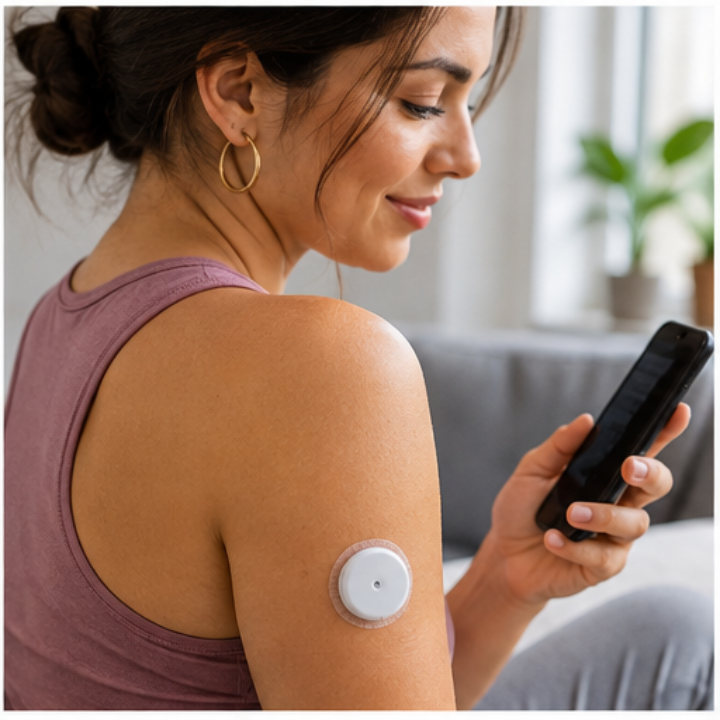
For frequent, unpredictable, or severe hypoglycemia, a continuous glucose monitor can show glucose trends, alerts, time spent below range, and meal-related patterns. Systems include Dexcom G7 and Abbott FreeStyle Libre. CGM can be especially useful with impaired hypoglycemia awareness, but it measures interstitial rather than blood glucose, can lag during rapid changes, and can produce pressure-related false lows.
No medication is currently FDA-approved specifically for PBH. Several medications are used off-label by specialists when dietary strategies are insufficient.
Acarbose (formerly sold as Precose) inhibits intestinal enzymes that digest carbohydrates, slowing glucose absorption and reducing rapid post-meal glucose spikes. It is generally taken with the first bite of a carbohydrate-containing meal. A clinician may begin at a low dose such as 25 mg with a meal and titrate based on response and tolerability. Common adverse effects include gas, bloating, abdominal pain, and diarrhea. Certain intestinal disorders and significant liver disease may preclude use. The 2024 Society for Endocrinology guideline recommends acarbose as first-line pharmacologic treatment when diet is insufficient.
GLP-1 receptor agonists include semaglutide (Ozempic/Wegovy) and liraglutide (Saxenda); tirzepatide (Zepbound) targets both GLP-1 and GIP receptors. Although exaggerated endogenous GLP-1 signaling contributes to PBH, sustained drug-related receptor activation may have different effects. Hypothesized benefits include altered gastric emptying, changed meal patterns, and reduced glucose variability. Evidence from small studies and reports is mixed, and mechanisms remain uncertain.
The 2024 Society for Endocrinology guideline does not recommend GLP-1 receptor agonists as routine long-term PBH therapy because evidence is insufficient. Emerging systematic reviews have reported possible benefit, but larger controlled trials are needed. These medications are not FDA-approved for PBH and can cause nausea, vomiting, dehydration, constipation, diarrhea, and inadequate food intake. Decisions should be individualized, especially when another established indication such as obesity or type 2 diabetes exists.
| Option | Potential role | Considerations |
| Octreotide / pasireotide | Reduce gut hormone and insulin secretion | GI effects, gallstones, glucose changes |
| Diazoxide | Suppress insulin release | Fluid retention and other adverse effects |
| Emergency glucagon | Rescue severe episodes | Does not prevent recurrence |
| Investigational treatments | Target hormonal pathways | Limited access and evidence |
| Surgical/anatomical revision | Rare refractory cases | Major risks; no guaranteed resolution |
Specialist teams may evaluate altered nutrient delivery or bypass reversal in exceptional cases. Partial pancreatectomy is generally discouraged for typical PBH because of uncertain benefit and risk of permanent diabetes or pancreatic insufficiency.
Evaluation includes symptom timing, procedure type, diet, medications, alcohol, physical activity, and confirmed glucose during episodes. Clinicians may use laboratory testing, symptom logs, CGM for management, and endocrinology referral. A normal A1c or fasting glucose does not exclude PBH. Oral glucose tolerance tests can provoke severe dumping or hypoglycemia and are generally discouraged for routine PBH diagnosis; provocative mixed-meal tests are also not routinely recommended.
Seek evaluation for recurrent post-meal shakiness or sweating, repeated readings below 70 mg/dL, difficulty concentrating, episodes requiring rescue carbohydrate, or interference with daily life. Glucose below 54 mg/dL or impaired coordination requires prompt attention. Loss of consciousness, seizure, or inability to swallow is an emergency: call 911. Do not drive when hypoglycemia is suspected.
Symptoms can improve substantially with meal structure, nutrition therapy, monitoring, and sometimes medication. Early dumping may improve as patients learn triggers; PBH can persist, particularly in severe cases. Treatment aims to reduce lows, prevent emergencies, preserve nutrition, and improve quality of life.
Yes. PBH frequently becomes apparent more than a year after surgery and sometimes several years later.
Yes, although PBH is more strongly associated with Roux-en-Y gastric bypass.
Concentrated sweets, sugary drinks, large meals, and rapidly absorbed carbohydrates are common triggers.
Protein-rich meals with fiber, healthy fats, and controlled portions of lower-glycemic carbohydrates.
It is below the alert threshold and should be addressed; recurrent episodes require assessment.
Sometimes, with clinician guidance; insurance coverage and access vary.
It is generally considered weight-neutral.
Evidence is preliminary and mixed; they are not approved or routinely recommended specifically for PBH.
No. It reflects altered gastrointestinal physiology and can often be managed.
No. Focus on portion size, quality, and pairing with protein and fiber.
Yes. Severe hypoglycemia can cause seizures or loss of consciousness and requires emergency care.
At BodyByBariatrics, we believe long-term success is about more than the number on the scale. Symptoms after eating may be related to dumping syndrome, PBH, or another treatable condition. Adjusting breakfast, adding protein, reducing liquid sugar, tracking glucose, and seeking individualized care can make a meaningful difference.
We would love to take care of you!
📲 Text us at 407-543-0971
🌐 Or visit BodyByBariatrics.com to explore our Bariatric Surgery and Medical Weight Loss programs and full-circle support.
Here’s to a longer, healthier future!
XOXO,
Dr. Betsy Dovec
BodyByBariatrics

Disclaimer: This blog is for informational purposes only and does not replace medical advice. Please consult your healthcare provider for personalized care. Educational information only; not a substitute for individualized diagnosis or treatment. Medication selection, glucose targets, and dietary recommendations should be determined with qualified clinicians. Severe symptoms require immediate care.